You must have routine sanitation scheduled according to potential hazards, food processing capacity, allergen concerns, and regulatory checks, plus verification documentation demonstrating food safety protocols, regulatory audits, and public health standards. The following sections detail essential sanitation program components.
Main Points
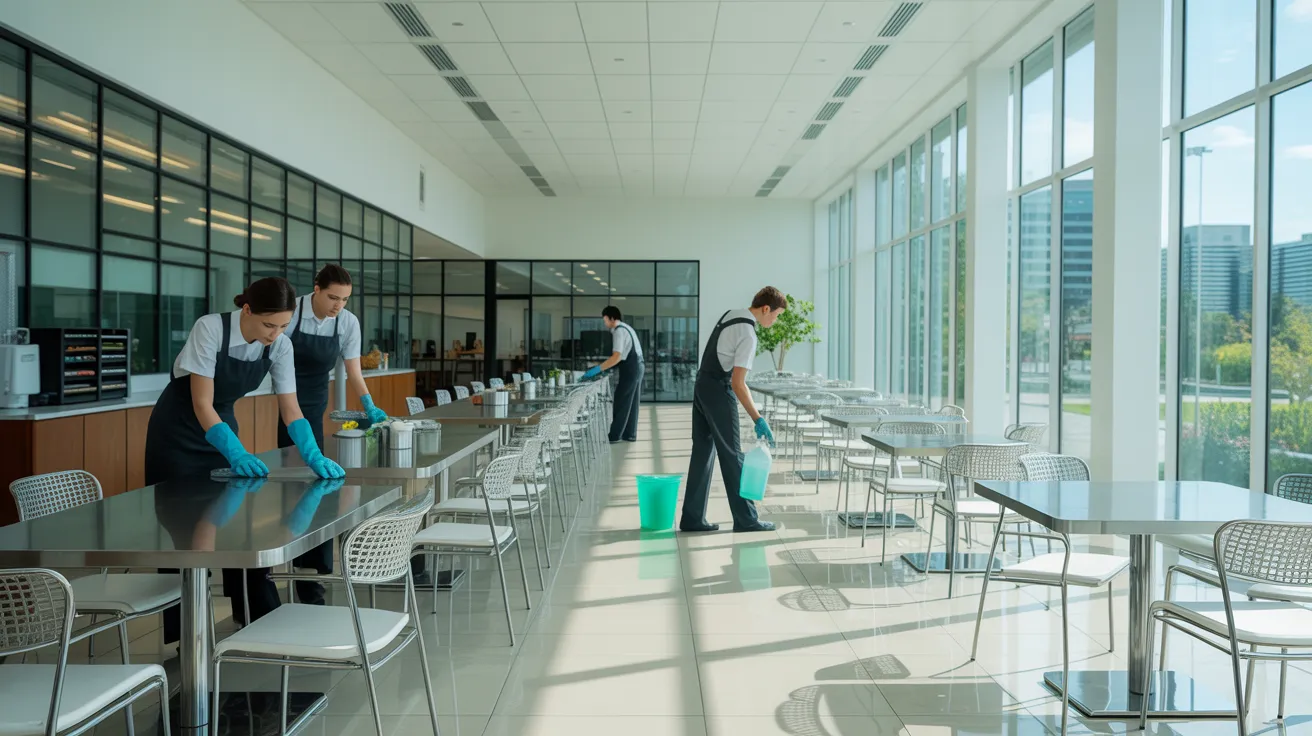
- Sanitation professionals from Brampton service restaurants, grocery departments, commissaries, warehouses, bakeries, schools, mobile vendors, and allergen-sensitive operations.
- Zone-based workflows treat high-touch surfaces, food-contact equipment, kitchens, floors, drains, restrooms, and storage areas for preventing cross-contamination.
- Recording of conclusion through samples, assessments, and correction logs validates approved vendors have validated approved sanitizer dilution, compatibility, and contact time.
- Routine, regular, and annual activities assigned by section form maintenance calendars founded on danger, output capacity, transitions, releases, and guidelines.
- Highlight suppliers demonstrating hazard analysis knowledge, health regulatory expertise, WHMIS education, liability, testimonials, color-coded implements, and audit-ready sanitation records.
Which Brampton Operations Need Food Safety Cleaning?
You must follow food safety cleaning if your operation is subject to public health review, food regulations, or HACCP systems. This covers dining establishments, employee cafes, distribution hubs, market sections, meat shops, fish stands, retail outlets, and food service kitchens.
Documented food safety measures is needed in storage facilities, production centers, refrigerated warehouses, bakeries, school nutrition services, event spaces, and delivery hubs. Portable temporary ventures apply similarly, including catering trucks, festival vendors, and pop-up food booths. Your location needs established hygiene documentation when your team work with ingredients, section ready-to-serve foods, heat finished items, or maintain allergen storage. In Brampton, hygiene stays discretionary; it comprises regulatory, business, and safety compliance.
What Services Do Brampton Cleaning Experts Provide?
You need cleaning experts who sanitize high-touch surfaces, kitchen areas, floors, and restrooms to meet food safety and public health standards. They target these areas because they pose the greatest danger for cross-contamination, slipping risks, and hygiene violations.
Knowing their service areas allows you to confirm your operation's sanitation satisfies operational demands and regulatory compliance.
Prioritizing High-Touch Surface Disinfection
base cleaning intervals according to foot traffic, environmental hazards, and business activities.
Maintaining a unidirectional process, replacing cleaning materials, and dividing sanitization equipment by section ensures that system stays measurable, justified, and inspection-ready at all times
Kitchen Areas, Floor Surfaces, and Bathroom Spaces
Expect Brampton cleaning experts to focus on kitchens, floors, and restrooms because each area carries unique food safety, slip-and-fall, and sanitation risks. In industrial kitchens, you need degreasing on cook lines, equipment exteriors, drains, prep surfaces, and splash zones to reduce contamination and pest pressure.
Documented floor care is also provided as part of the service.
Restroom sanitation requires disinfecting touch areas, bathroom equipment, stall barriers, supply stations, and bins, replacing items and managing smells. They also maintain restaurant cleaning supply rooms where product storage, sink cleanliness, and drain systems impact daily sanitation standards and worker protection.
Food Safety Cleaning Significance for Brampton Businesses
Brampton operations demand proper hygiene standards to fulfill compliance obligations and pass inspections. You also reduce bacterial spread through proper cleaning of food-preparation surfaces, appliances, and frequently-touched items. Most importantly, you safeguard public health by lowering the risk of foodborne illness in your facility.
Health Code Compliance
Brampton food operations must comply with mandatory safety protocols, so cleaning procedures is vital to adhering to health codes, ensuring the safety of customers, and preventing penalties. You must maintain sanitary food-contact surfaces, written maintenance records, appropriate product handling, and verifiable staff procedures that comply with municipal and provincial inspection expectations.
Excellent cleaning standards enables allergen management by decreasing residue on mutual appliances plus regularly touched locations. If your cleaning standards decline, you face citations, corrective directives, public perception damage, and possible interruption to service during further inspections or enforcement actions.
Cross-Contamination Prevention
Meeting health code standards also depends on your capacity to stop cross-contamination during routine food preparation and sanitation. You must separate raw ingredients from ready-to-eat foods, sanitize prep surfaces between tasks, and keep cleaning products separate from food areas. Established guidelines minimize contamination chances and ensure ongoing adherence to health checks.
You should establish allergen separation to prevent major allergens from touching shared surfaces, containers, or equipment. Use dedicated cutting boards, color-coded tools, and careful equipment identification so employees avoid combining products during preparation or service. Mandate washing hands following raw meat, seafood, eggs, or allergen-containing products. Change cleaning rags frequently, and verify sanitizer strength with test strips. When staff members receive training on these procedures each work period, you build a more hygienic, secure workplace that meets Brampton's food safety expectations daily.
Public Wellness Protection
Should food safety cleaning break, you don't simply encounter inspection problems—you increase the potential of contamination-related sickness impacting customers, staff, and the wider Brampton community. You also undermine your responsibility in protecting public health, especially in high-traffic food premises where pathogens travel quickly through surfaces, equipment, and touchpoints.
You must establish sanitation protocols that eliminate soils, disinfect correctly, and confirm effectiveness. This requires following contact supporting information periods, employing authorized sanitizers, logging schedules, and training employees to satisfy regulatory standards. These mechanisms support pathogen reduction by decreasing microbes before reaching food or hands. Across Brampton, strong cleaning protects at-risk populations, limits outbreak risk, and demonstrates accountability. When you maintain proper protocols, you exceed regulations—you meaningfully reduce risk and facilitate secure food handling throughout the area.
How Does Cleaning Support Food Safety Compliance?
Maintaining thorough cleaning protocols promotes food safety compliance by decreasing contamination threats, controlling pathogen growth, and keeping your facility compliant with sanitation requirements under HACCP-based programs and public health regulations. You validate that product-contact areas are visibly clean and microbiologically controlled, facilitating documented preventive controls and inspection readiness.
Well-executed cleaning efforts also improve allergen prevention by eliminating residues that can cause undeclared allergen exposure.
What's the Right Time to Schedule Commercial Cleaning?
everyday standard cleaning
plan cleaning right before and following for effective event transition.
What Should You Look For in Brampton Cleaning Experts?
Evaluate providers first by sanitation compliance standards rather than cost. You must ensure each provider understands CFIA, public health, and HACCP-aligned expectations for your business. Request proof of insurance, WHMIS compliance, staff training documentation, and supervision methods. Check technician awareness of cross-contamination risks, chemical safety, and documented sanitation practices.
Additionally, you need to evaluate service dependability and accountability. Obtain references from food facilities in Brampton, then review service speed, corrective-action procedures, and communication practices. Verify the company conducts supplier reviews and can deliver compliance-ready records when inspectors or external parties need proof. Verify equipment is maintained, colour-coded tools are applied correctly, and site-specific hazards are identified. A capable service ensures compliance, product integrity, and your brand reputation.
Which elements are part of a hygiene cleaning program?
Develop a written plan that makes clear every sanitation responsibility, standard, and task prior to production start. You should detail cleaning schedules, authorized chemicals, concentration levels, contact duration, implements, and validation techniques for each location, surface, and apparatus. Incorporate pre-operational inspections, corrective actions, and employee training requirements.
Your plan should also include cross-contamination prevention, waste disposal, pest management measures, and scheduled documentation for restrooms, drains, floors, and food-contact areas. Clarify how you'll separate raw and ready-to-eat processes, help with ingredient tracking, and copyright accurate allergen labeling through validated cleaning between product changes. You should establish accountability, maintain signed records, and check results against regulatory standards, HACCP controls, and customer requirements. When gaps appear, revise procedures immediately and retrain staff.
Commonly Requested Inquiries
Can cleaning services support nighttime operations in Brampton properties?
Yes, you can arrange sanitation coverage to support nighttime operations in Brampton facilities. You'll coordinate nighttime cleaning around production schedules, access controls, and staffing requirements. Providers typically establish overnight logistics to reduce disruption, ensure compliance, and record finished work. You should verify response times, management, access protocols, and waste handling before beginning service. If you operate controlled environments, you'll also want cleaning records that enable audits and internal quality assurance.
Can sanitation professionals handle emergency spill response?
Yes, you can expect Brampton cleaning experts who offer emergency spill response solutions. They manage hazardous materials, evaluate dangers, contain contamination, and start rapid decontamination to reduce exposure and avoid operational disruption. You should confirm response times, professional credentials, safety procedures, and disposal procedures. If your facility must comply with industry standards, select a service that records events, maintains regulatory procedures, and enables compliance verification.
Can green disinfectants be deployed safely on food preparation areas?
In essence, eco-friendly disinfectants are safe for food preparation areas provided you select products labeled food safe that meet regulatory standards. Verify contact duration, mixing proportions, and rinsing needs ahead of deployment. Plant-derived products minimize toxic chemical contact, although you must have evidence of effectiveness against relevant pathogens. To ensure surfaces without residue, implement exact manufacturer guidelines and confirm the disinfectant meets applicable food industry sanitation standards.
Can cleaning schedules be tailored for seasonal production changes?
Without question, sanitation programs adapt well for seasonal shifts. Adapt frequencies, staff levels, cleaning agents, and validation steps to match operational cycles while maintaining regulatory adherence. Minimize production downtime by planning sanitation surrounding production shifts, peak seasons, and usage cycles. Additionally update procedural documents, instruction programs, and environmental testing to address periodic risks, novel allergens, or increased soil loads. Consistent reviews ensure your schedule current.
Will professional cleaning services teach your staff on sanitation best practices?
Absolutely, professional cleaning companies regularly deliver employee education on sanitation best practices. Your team gets instruction on correct chemical handling, contact times, contamination avoidance, equipment disassembly, and paperwork. They typically align guidance with HACCP, GMP, and CFIA or local public health standards. Many conduct health inspections to ensure adherence, identify gaps, and strengthen corrective measures. This helps you maintain consistent procedures, pass inspections, and reduce food safety risks routinely.
Conclusion
By collaborating with Brampton commercial cleaning and food safety professionals, you aren't simply tidying—you maintain your facility compliance-focused and your practices in compliance. From kitchens to processing floors, every sanitized surface and organized space reduces pest risk and avoids expensive losses. By scheduling cleanings on the right schedule and following a documented cleaning plan, you secure staff members, clients, and your credibility. In a heavily controlled environment, hygienic conditions are mandatory—they're essential to successful operations.